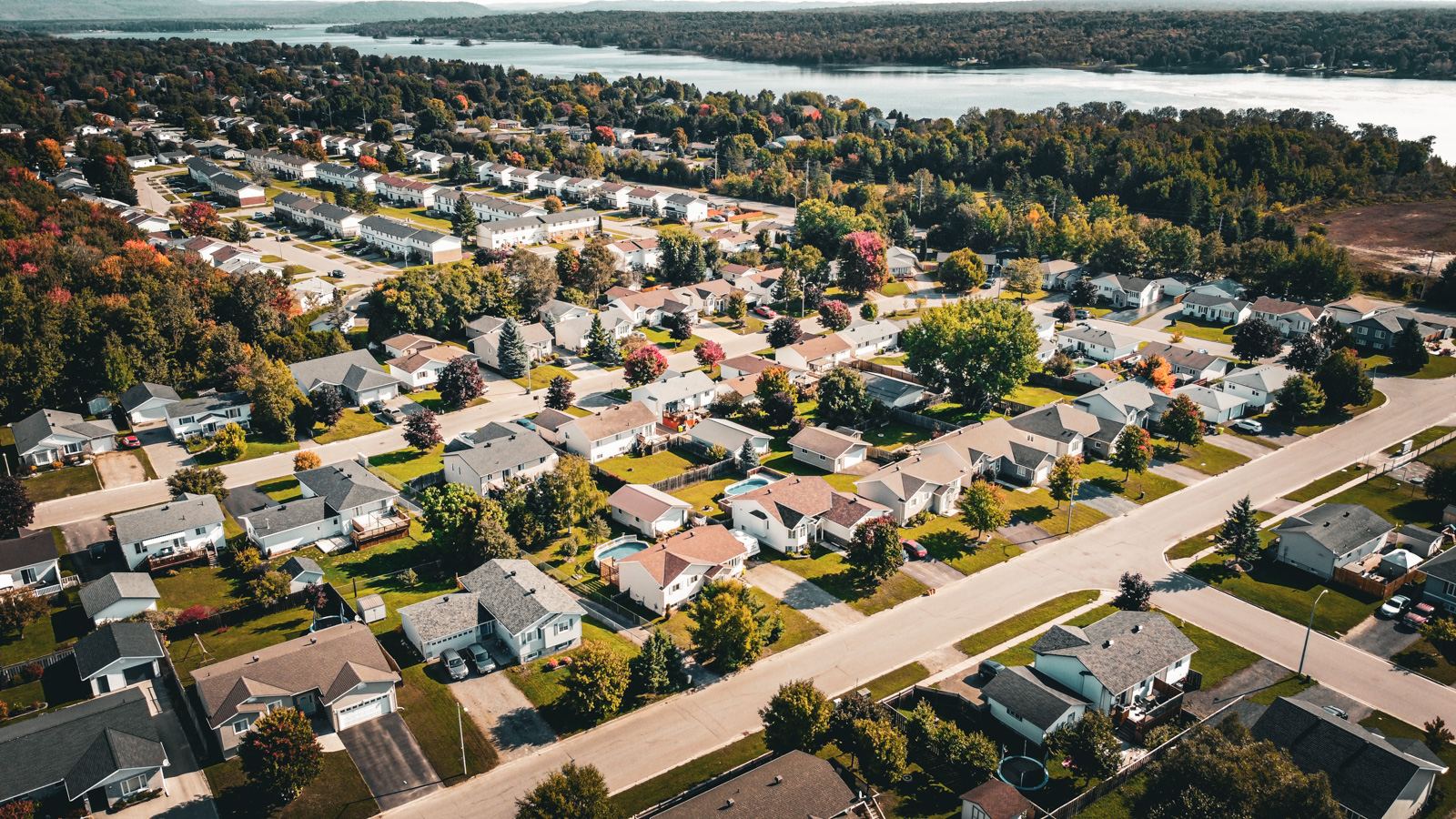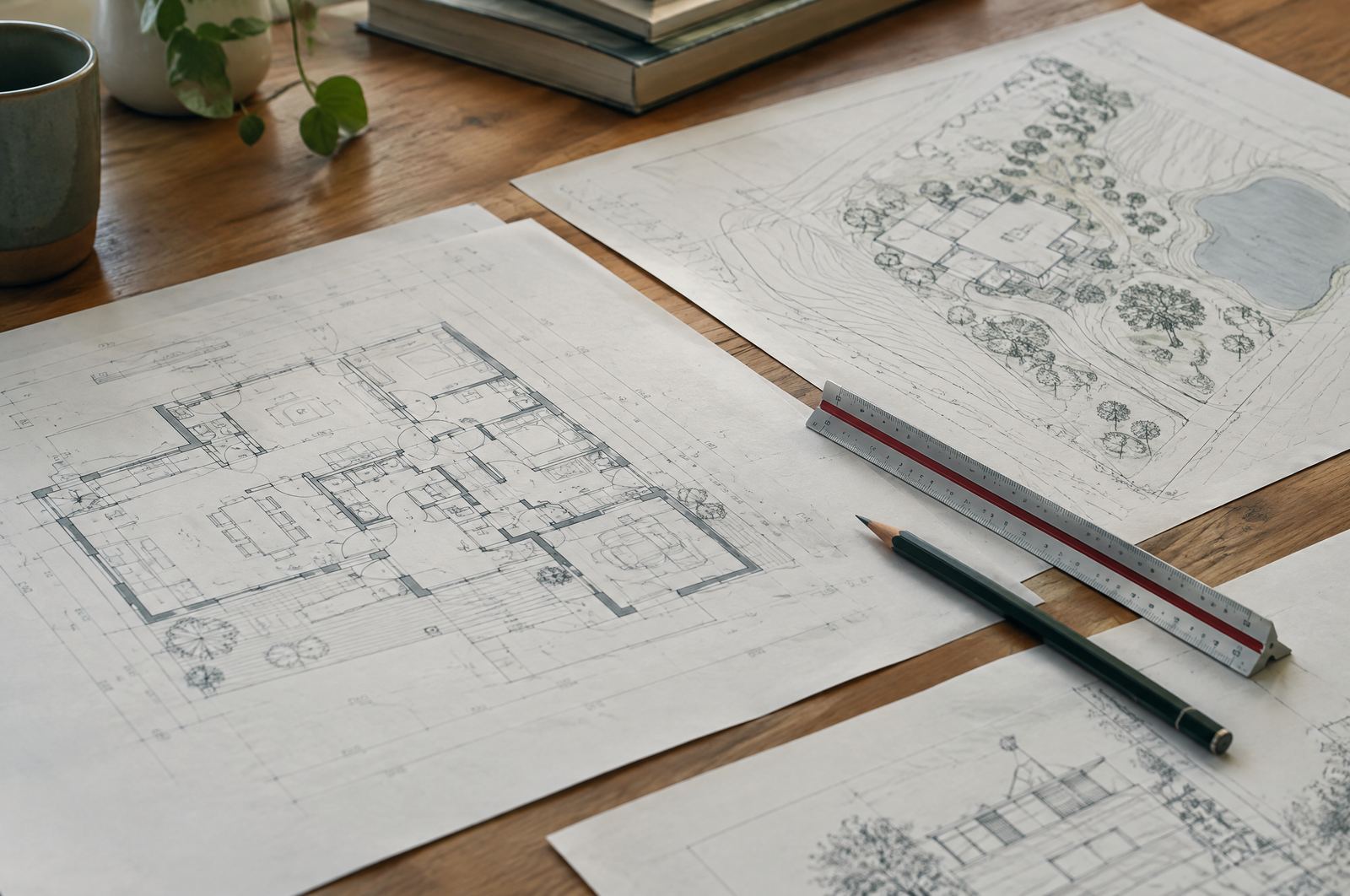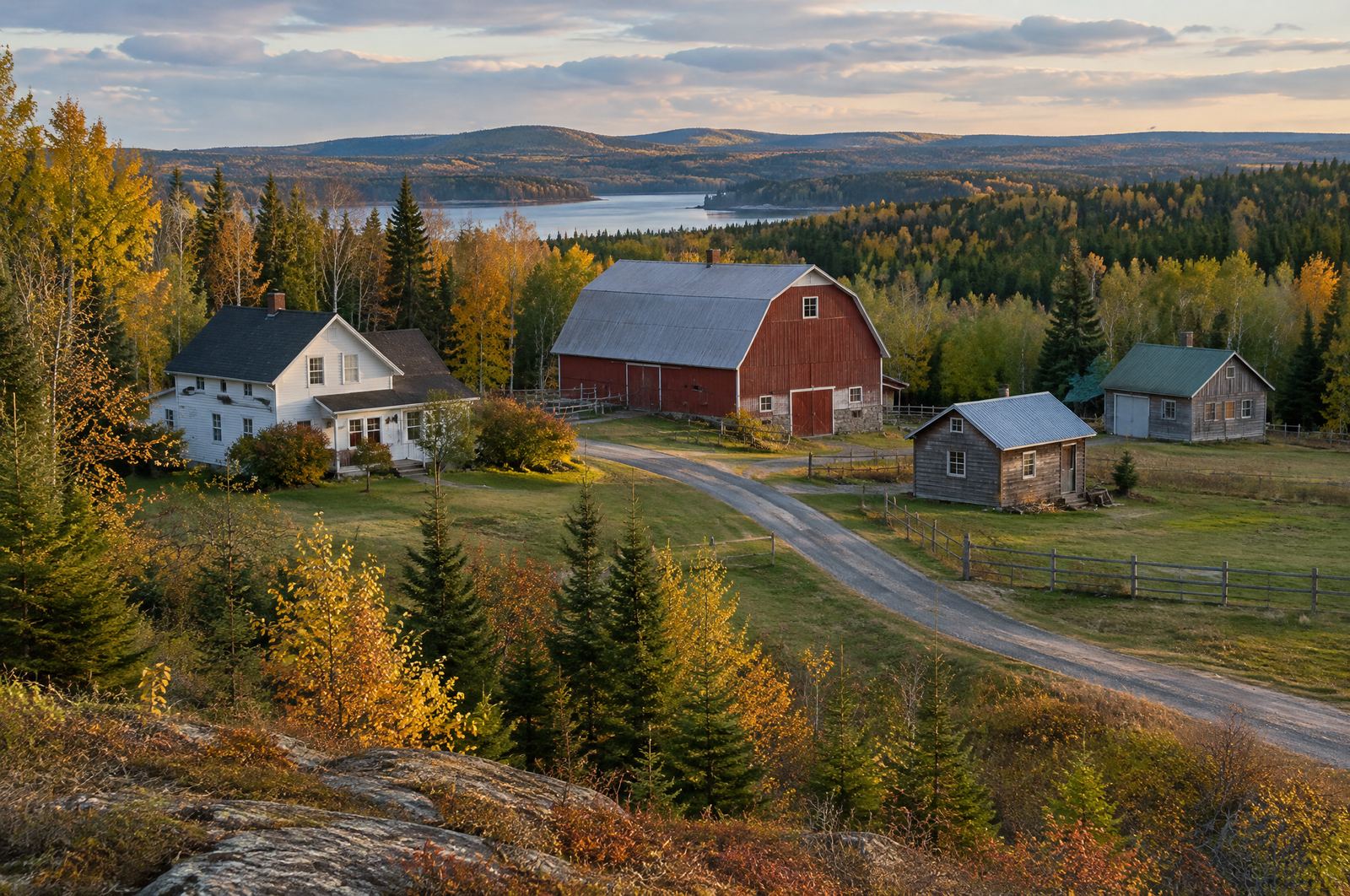
Most people order an appraisal only a few times in their lives, and usually when something else is going on: a purchase, a refinance, an estate or a separation. This page walks through each step with the Sault office, so you know what we need from you and when.
Your first call or enquiry
Tell us the property address, what kind of property it is, why you need the appraisal and your deadline. The purpose matters because it sets the effective date of the value, who the report is addressed to and what it must cover. A financing report for a lender, a date-of-death value for an estate and a report for a separation are three different assignments. If a lender or lawyer is involved, give us their details. We then confirm the scope, the fee and the timing with you before any work starts.
The property visit
The appraiser visits to see the inside and outside of the property, take measurements and photographs, and note its condition, layout, finishes and features. You, or someone you choose, needs to let us in. A tidy house helps the appraiser see it clearly, and there is no need to stage it. Condition notes are based on what the appraiser can see. An appraisal is a different job from a home inspection, and it does not test the heating, plumbing or electrical systems. If you have made improvements, point them out and tell us roughly when they were done.
Rural properties: wells, septic, outbuildings and acreage
Rural Algoma properties have features a town lot does not, and the appraiser will walk the site to look at them:
- Water supply: a drilled or dug well, a lake or river intake, or a cistern. Water testing is outside an appraisal, and a lender may ask for a separate test.
- Septic system: its type and approximate location, and any permits or pumping records you have.
- Outbuildings: garages, shops, barns, saunas and bunkies, measured and described.
- Land: acreage, frontage, cleared and wooded areas, slope and any wet ground.
- Road and services: municipal or private road, year-round maintenance, and hydro or off-grid power.
Records help here more than anywhere else. The rural properties page goes into more detail.
Camps, seasonal roads and water access
A camp reached by boat, a cottage at the end of an unplowed road or an island property needs planning. Tell us how the property is reached in each season, who can take us there, and whether there are docks, a boathouse or a mainland landing. Freeze-up and break-up can make some properties unreachable for weeks, so the visit date may depend on the ice. The camps and waterfront page covers these properties in full.
Executors and owners who live away
Many Algoma properties belong to estates whose executors live in Southern Ontario or further away. A relative, neighbour, real estate agent or lawyer can meet the appraiser with a key, and we can handle the rest by phone and email. If the value is needed at the date of death, tell us the date and anything that has changed since, such as repairs, removed contents or winter damage. Your lawyer or accountant will confirm what the estate needs. See estate appraisals for more.
Research, the report and after delivery
After the visit the appraiser researches sales and market conditions, chooses the comparable properties and writes the report. In smaller Algoma markets sales are fewer, so the search may reach further afield or further back in time, and the report explains why. The report goes to the client named in it. If you have questions, ask and we will explain how the value was reached. The value itself is our independent opinion, and it does not change to fit a price or a loan amount.
What to have ready
- Property address, and the roll number or legal description if you have it
- Why you need the appraisal and the date the value should be at
- Lender or lawyer details, if one is involved
- A survey, site plan or recent property tax bill
- Well, water test and septic records for a rural property
- A list of renovations and major repairs, with approximate dates
- How to get in: keys, an access contact, and road or boat details