Every appraisal fee in Algoma depends on the property, the purpose and the distance from our office on Brock Street. We quote each assignment before work starts, so you know the fee and the expected timing before you commit. This page explains what moves both, so the quote makes sense when you see it.
How we quote in Sault Ste. Marie
Fees change from one property to the next, so we do not publish a fee list. We quote each assignment once we know the address and the purpose.
Typical time from the property visit to the final report: approximately two weeks.
The quote for your property is the figure that counts, and the factors below explain why two properties on the same street can be priced differently.
Property type and purpose
A condominium in the city with recent sales nearby is the simplest case. A small multi-unit building, a large custom home or a property with unusual features takes more research and more explanation. The purpose matters as well. A report for an estate or a separation usually needs more analysis and more written support than a financing report. Commercial, land and advisory work is scoped separately with the AREAS team in Burlington; see commercial and land.
Travel within the Algoma District
The office is downtown, and properties in the city and Prince Township involve little travel. Travel time to St. Joseph Island, the North Channel towns, Elliot Lake or Wawa is part of both the fee and the scheduling. Send the address with your enquiry so the quote reflects it. The areas we serve page shows how we group the district.
Rural properties and water access
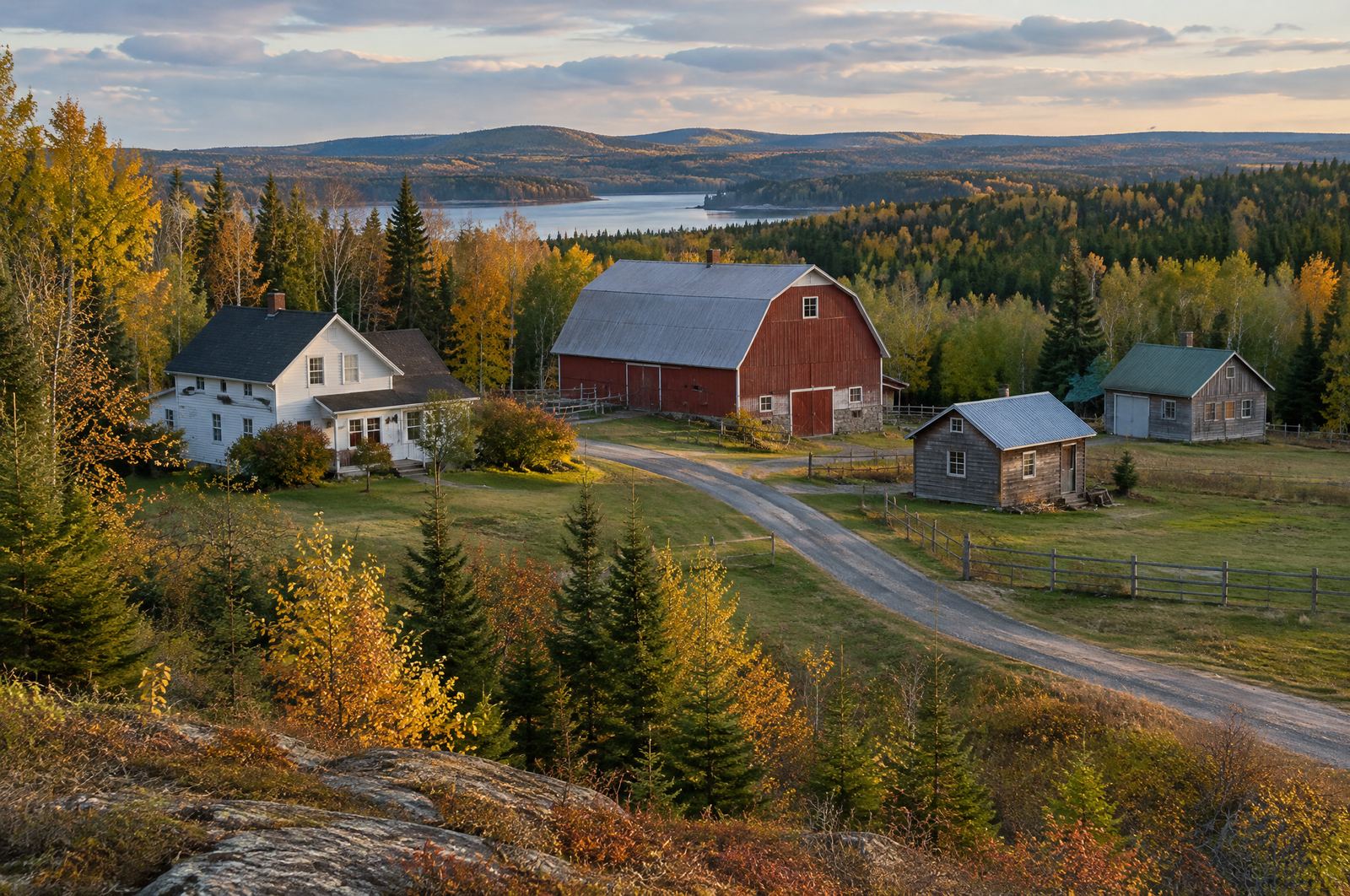
Acreage, outbuildings, wells and septic systems add time on site and in the report. Boat-access and island properties need a boat, a guide or a planned trip, and seasonal roads can limit when a visit is possible. These factors affect the fee and the earliest date we can see the property. Tell us about them at the start, and see what to expect for the records that help.
Past-date values for estates and separations
Estate and separation files often need the value at a past date, such as the date of death or the date of separation. The appraiser has to establish what the property was like and what the market was doing on that date, using sales from around that time and any records of the property's condition then. That research takes longer than a current-value report, and the fee reflects it. Your lawyer or accountant will tell you which date to use.
What affects timing
Work starts once we can get in and have the documents we need. Delays usually come from access (a tenant, a locked building, a camp that cannot be reached yet), missing documents (leases, rent rolls, construction budgets), weather and the season. If you have a deadline, such as a financing condition or a filing date, tell us at the first call and we will tell you whether we can meet it.
How to keep the fee and timing in check
- Send leases, surveys, records and other documents with your enquiry.
- Arrange access before the visit is booked.
- Give us one contact who can answer questions about the property.
- Tell us about anything unusual early: an addition, an unfinished build, a second dwelling or a boathouse.